August newsletter 2026
This month's newsletter focuses on the connection between blood pressure and stroke, our 2026 advocacy efforts, and financial assistance through our National Mobility Fund.
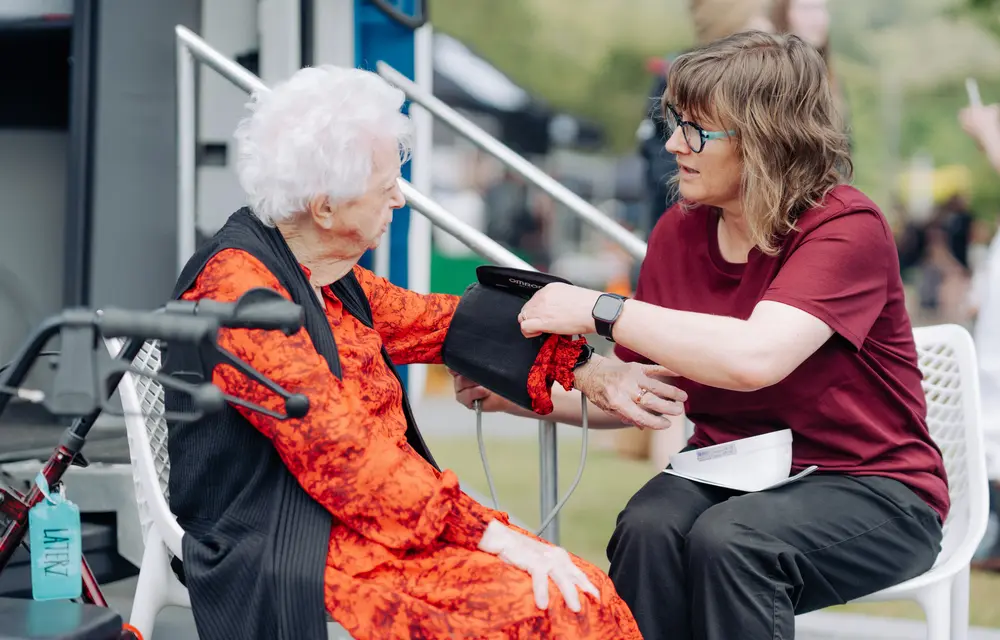
What does blood pressure have to do with stroke?
High blood pressure, also known as hypertension, is the number one modifiable risk factor for stroke. 1 in 5 New Zealanders experience high blood pressure and it’s estimated that one third of this group don’t even know they have high blood pressure.
Having high blood pressure puts a strain on all the blood vessels throughout your body, including the ones in your brain. This strain can damage your blood vessels, causing them to become harder and narrower. The vessels are then more likely to block or burst, causing a stroke.
High blood pressure doesn't just put you at increased risk of stroke - it is also a risk factor for heart attacks, heart failure, and kidney and eye disease.
Checking your blood pressure
The first step to reducing your risk of stroke is to get a blood pressure check.
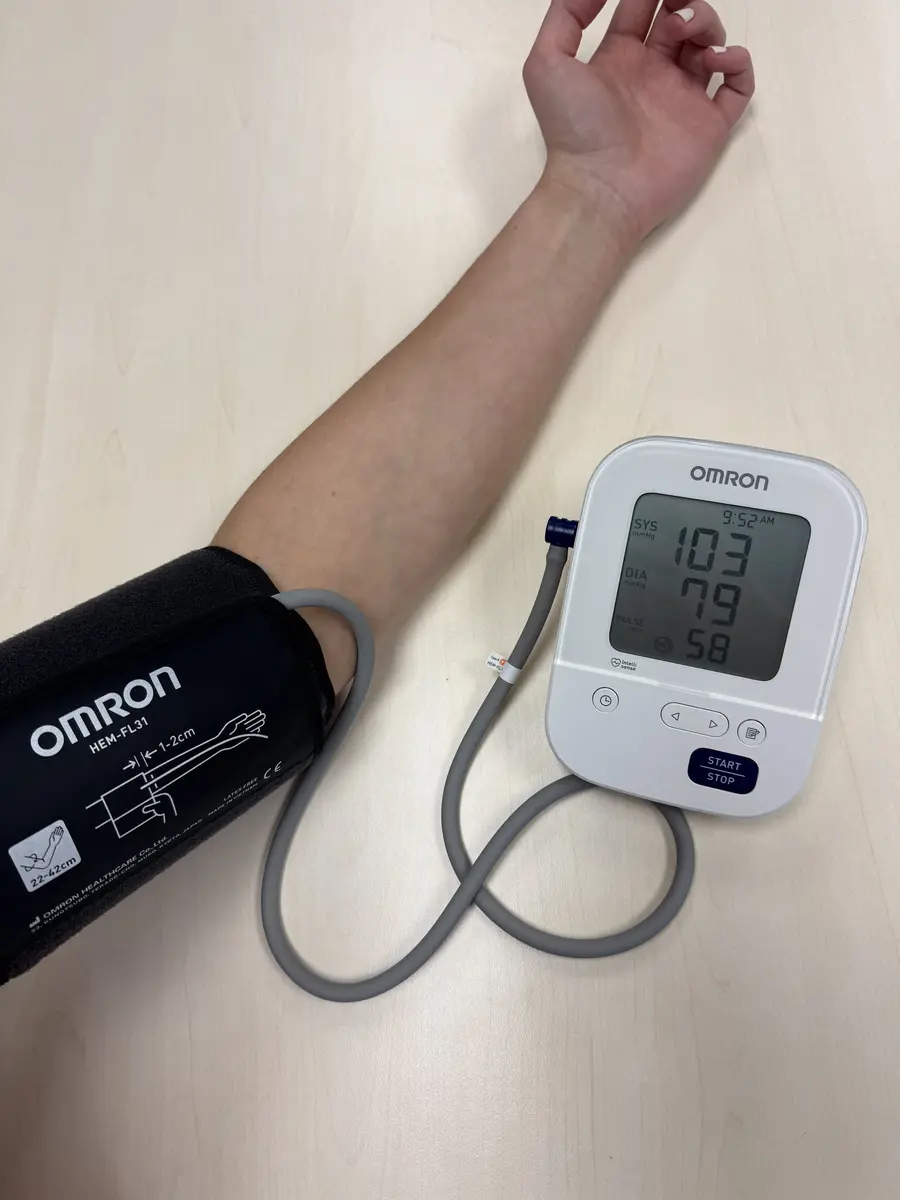
A blood pressure check is quick and painless. It often involves a cuff being placed around your arm and inflated for a few minutes. A check will provide you with results straight away. For most people, an annual check is recommended, but your doctor can tell you how often is right for you.
Stroke Aotearoa New Zealand provides thousands of free blood pressure checks across the country every year. Click here to find out where we'll be next!

Controlling your risk of stroke
You can control your blood pressure by making lifestyles changes, such as eating more whole foods, reducing salt in your diet, and exercising more often. Cutting out tobacco products (including vapes) and lowering your alcohol intake will help. If your doctor prescribes you medication to control your blood pressure, ensure you take it and continue taking it unless advised by your doctor.
Working together to prevent stroke
Stroke Aotearoa is proud to partner with J A Davey and OMRON Healthcare, who generously provide and service OMRON blood pressure monitors for our Community Stroke Navigators across Aotearoa. Together, we're helping communities better understand and manage high blood pressure, one of the key risk factors for stroke.
Keep an ear out for a radio campaign supported by OMRON that will help spread the life-saving F.A.S.T. message:
- Face drooping
- Arm weakness
- Speech difficulties
- Take action - call 111 immediately.
Recognising the signs of stroke and acting quickly can make all the difference.
J A Davey and OMRON have also developed educational handouts on blood pressure management and the F.A.S.T. signs of stroke, which are being distributed through pharmacies nationwide. By working together, we're helping more New Zealanders understand their stroke risk and take action when every minute counts.
Eyes on the Election: Train Five, Keep Five
Did you know that New Zealand trains up to five neurologists each year, yet funds public hospital roles for only about three? This means that every year we're losing neurologists because there are not enough funded roles.
Neurologists are a critical part of our healthcare system. They diagnose and care for people with diseases and disorders that affect the nervous system, like stroke. And our current system means that each year, we lose these specialists to private practice or overseas because funded roles are not available.
Stroke Aotearoa is one of 20 organisations that make up the Neurological Alliance. Together, we are speaking up for the 1 in 3 New Zealanders affected by a neurological condition, like stroke, and asking all politicians for their commitment to Train Five, Keep Five:
✔️ Fund two additional public neurology positions every year.
✔️ Develop a long-term neurological workforce plan.
Together, we can build a stronger health system for the 1.5 million New Zealanders living with neurological conditions.
Help stroke survivors regain independence through the National Mobility Fund
Stroke Aotearoa New Zealand can provide financial assistance to individuals to fund a mobility scooter or powered wheelchair through our National Mobility Fund, thanks to a generous bequest specifically for this purpose.
For many people recovering from stroke, mobility is key to maintaining independence, reconnecting with whānau and community, and improving overall wellbeing. If you or someone you know is a stroke survivor who would benefit from increased mobility and independence, click the button below to find out more.
Note: Applications must be accompanied by a clinical letter of support. Applicants are then assessed by the Independent Living Charitable Trust to match the individual's needs, abilities, and circumstances to the right equipment.
Stay well and I’ll see you again next month.
Ma te wa,

Jess Winchester
General Manager Marketing & Fundraising | Stroke Aotearoa New Zealand